
What Does Japanese Knotweed Look Like in Spring? How to Spot the Red Shoots Early
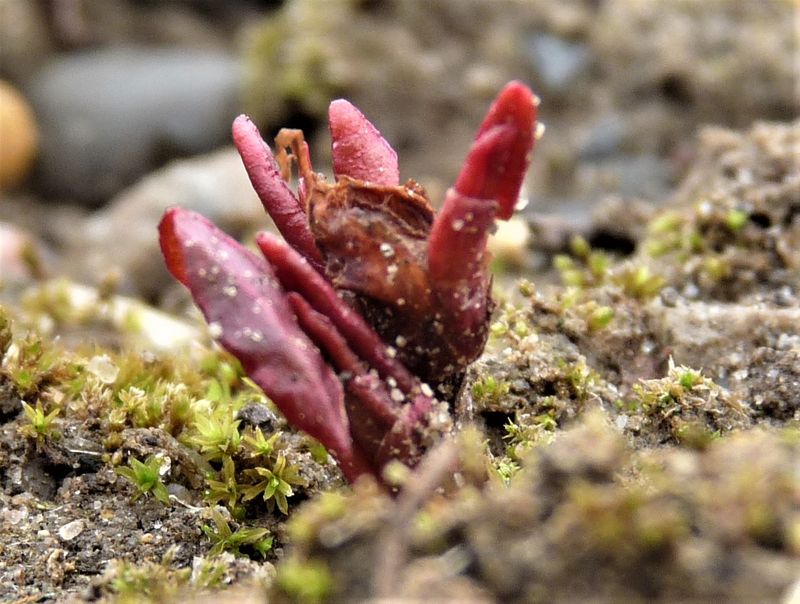
Spring is when Japanese knotweed is easiest to miss and, ironically, easiest to deal with. After dying back over winter, the plant pushes up new shoots from its underground rhizome as soon as soils warm. If you can recognise those first shoots, you can get an identification and a treatment plan in place before the canes reach two or three metres by midsummer.
When Knotweed Appears
In most of the UK, the first shoots appear from late March to April, sometimes earlier in mild southern areas. Growth then accelerates dramatically; in May and June shoots can grow several centimetres a day.
Key Spring Identification Features
- Red or purple shoots that look like asparagus spears pushing through soil, paving cracks or the base of last year's dead canes.
- Rolled, dark red leaves that unfurl into green, shield or heart-shaped leaves with a flat base.
- Hollow stems with nodes, like bamboo, with purple speckles appearing as stems mature.
- Zig-zag growth — each leaf sits at a node, and the stem changes direction slightly at each one.
- Clumps near old brown canes — last year's dead, hollow stems often stand nearby (see knotweed in winter).
Found red shoots and not sure?
Send us a few photos and your postcode. We review within an hour and confirm whether it is knotweed and what to do next.
Send your photos →Common Spring Look-Alikes
- Rhubarb — thick, solid, fleshy stalks and huge crinkled leaves; knotweed stems are hollow.
- Bindweed — climbs and twines around other plants; knotweed stands upright.
- Himalayan balsam — soft, jointed red stems but no woody canes; it is an annual.
- Bamboo — straight, evergreen canes with narrow leaves; compare in knotweed vs bamboo.
- Dogwood and broadleaf dock — woody stems or leaves from a basal rosette.
What Not to Do
Do not cut, strim, dig or compost the shoots. Tiny rhizome or stem fragments can regrow, and moving soil or cuttings off site has legal consequences. Read can I remove knotweed myself? before you try anything.
Why Spring Matters If You Are Buying or Selling
Spring and early summer viewings are when surveyors and buyers spot knotweed most easily. If you are selling, the TA6 form asks directly about it (TA6 question 7.8); if you are buying, a specialist survey protects your mortgage (survey costs).
Next Steps
Take clear photos of the shoots, leaves, any old canes and their distance to buildings and boundaries. Send them through our form and a specialist will advise on a survey and a treatment plan with an insurance-backed guarantee if you need one for a lender.
Frequently Asked Questions
When does Japanese knotweed start growing in the UK?
Usually from late March to April, depending on the weather. Shoots can grow several centimetres a day once temperatures rise.
What colour are Japanese knotweed shoots?
Young shoots are red to purple and look similar to asparagus spears, with rolled-up, dark red or green leaves.
What plants look like Japanese knotweed in spring?
Common look-alikes include rhubarb, bindweed, Himalayan balsam, dogwood shoots, broadleaf dock and some bamboo. Rhubarb has thick fleshy stalks; knotweed stems are hollow with nodes.
Should I cut or dig knotweed shoots in spring?
No. Cutting or digging can spread fragments and make treatment harder. Photograph it and get an identification first.