
Japanese Knotweed vs. Bamboo: How to Identify the Differences and Avoid Costly Removal Errors
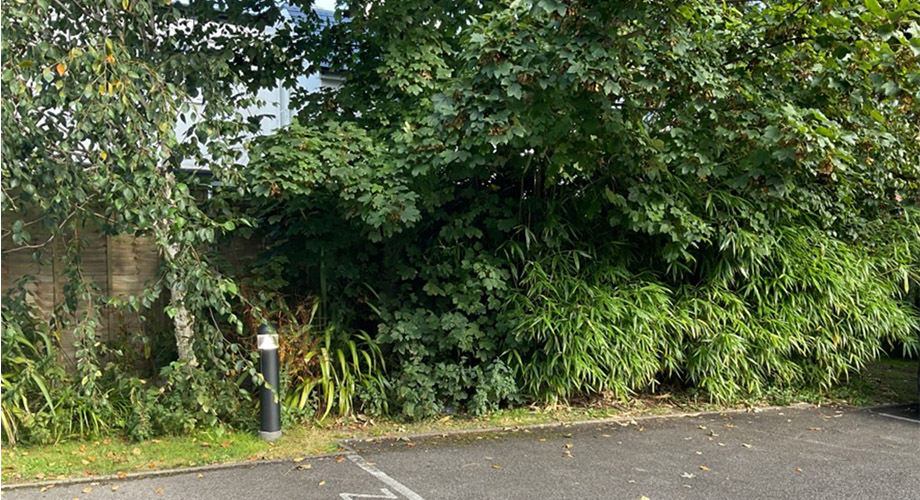
In recent years, UK property surveyors have observed an unprecedented surge in invasive plant disputes involving running bamboo (specifically species of Phyllostachys). Homeowners often mistake mature bamboo for Japanese knotweed, or assume bamboo is a harmless garden screening plant. In reality, both species possess destructive rhizome networks, but their legal status, mortgage implications, and eradication protocols differ significantly.
1. Key Visual Differences: Stems and Leaves
While both plants have hollow, cane-like stems with regular nodes, their growth habits reveal unmistakable clues:
- Stem Growth Pattern: Japanese knotweed stems grow in a distinctive zig-zag fashion between leaf nodes, with distinctive reddish-purple speckles. Bamboo canes are perfectly straight and cylindrical, with uniform green, black, or golden coloration.
- Foliage & Leaves: Knotweed leaves are broad, flat-based, and spade-shaped (up to 14cm long), arranged alternately on the stem. Bamboo produces long, slender, lanceolate leaves that remain evergreen throughout the winter.
- Winter Appearance: Knotweed dies back completely in November, leaving brittle, hollow brown canes and bare crowns. Bamboo retains its foliage year-round, continuing active photosynthesis whenever temperatures permit.
2. Underground Rhizome Behaviour
Japanese knotweed rhizomes can penetrate up to 3 metres deep and spread 7 metres horizontally from the visible crown. When snapped, fresh knotweed rhizomes reveal a bright carrot-orange or dark yellow core. Bamboo rhizomes, by contrast, are typically shallower (30–60cm depth) but form incredibly dense, fibrous subterranean root mats that act like rebar concrete, tearing through patio slabs, drainage gullies, and cavity walls.
3. Mortgage Underwriting and Legal Liabilities
The critical commercial difference lies in mortgage regulations:
- Japanese Knotweed: Listed under Schedule 9 of the Wildlife and Countryside Act 1981. Must be declared under Question 7.8 of the Law Society TA6 form. High street mortgage lenders mandate a 10-year Insurance-Backed Guarantee (IBG) before releasing funds.
- Running Bamboo: Currently not covered by specific UK statutory invasive weed legislation. However, neighbour encroachment is increasingly subject to common law private nuisance claims in county courts, with substantial settlements awarded for excavation costs and property devaluation.
Unsure Which Plant Is on Your Property?
Upload a clear photo of the stems, shoots, or foliage to our free digital verification desk. Our botanists review submissions within an hour to provide an authoritative assessment.
Free 1-Hour Photo Review
Enter your postcode, then add photos of the plant on the next step. A specialist replies within an hour.