
Japanese Knotweed Removal in London: Costs, Surveys and What to Expect
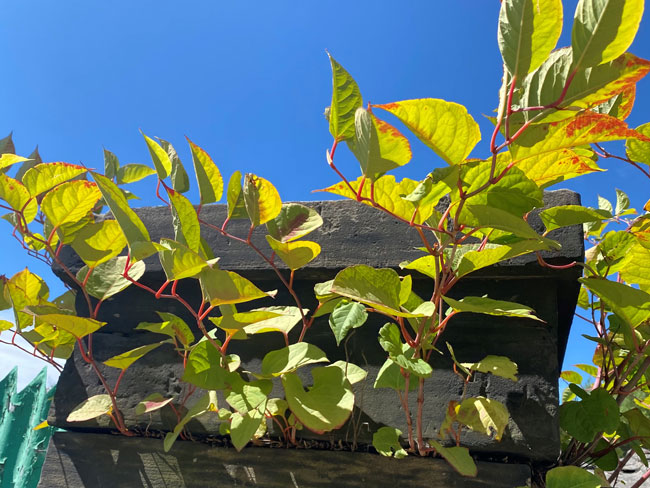
London has some of the highest recorded densities of Japanese knotweed in the UK. Railway embankments, canal towpaths, rivers like the Lea and Wandle, and decades of building work have spread rhizome across every borough. If you have found knotweed in a London garden, or a surveyor has flagged it on a purchase, this guide explains how removal works in the capital, what typically drives the cost, and how to move quickly.
1. Why Knotweed Is So Common in London
- Transport corridors: Network Rail, TfL and canal land link thousands of back gardens.
- Soil movement: decades of construction moved contaminated soil between sites.
- Dense housing: terraces and semi-detached homes share boundaries, so a stand next door is often within 3 metres of your property.
Because plots are small, many London cases fall into the closer-proximity categories of the 2022 RICS guidance, which is why lenders often ask for a professional management plan before a mortgage offer.
2. Typical London Removal Cost Ranges
London jobs usually sit at the upper end of national ranges because of access, parking, congestion charges and waste transport. As a broad guide to the typical market:
- Herbicide treatment programme (small to medium garden, multi-year plan with guarantee): commonly around £1,500–£4,000.
- Partial excavation or root barrier work: commonly several thousand pounds depending on volume and access.
- Full excavation and licensed disposal: often £5,000–£15,000+ where muck-away by hand or small machinery is needed.
- Survey and report: typically a few hundred pounds, sometimes credited against treatment.
Figures quoted are indicative typical UK market ranges gathered from published industry guidance and contractor quotes, not a fixed price from us. Every site is different, so a survey is the only way to get an accurate figure.
3. What Pushes a London Quote Up or Down
- Access: no side access means hand-digging and wheelbarrowing through the house, which adds labour days.
- Stand size and spread: rhizome can extend up to around 3 metres laterally and 2 metres deep.
- Proximity to buildings: stands near walls, patios or drains often need more careful methods.
- Timescale: a sale or development deadline often favours excavation over a slower herbicide plan.
- Waste: contaminated soil must go to a licensed landfill, and London transport costs are higher.
4. Neighbours, Councils and Network Rail
If knotweed is coming from a neighbour, council land or a railway embankment, keep dated photos and write to the owner. Allowing knotweed to encroach can be treated as a private nuisance following Network Rail v Williams and Waistell (2018), and London boroughs can use Community Protection Notices under the Anti-social Behaviour, Crime and Policing Act 2014 in persistent cases. See our neighbour guide for template steps.
5. Buying or Selling in London
London buyers and sellers are frequently on tight chains. A seller should disclose knotweed on the TA6 form and, ideally, already have a treatment plan with an insurance-backed guarantee in place. Buyers should ask for the plan, guarantee and any survey before exchange. Read more about mortgages with knotweed.
6. How to Get a Fast London Quote
- Take photos of the stems, leaves and base of the plant, plus a wider shot showing distance to the house.
- Note whether it is in your garden, next door or on public land.
- Send your postcode and photos through our form for a free photo review, then book a PCA-standard survey for a written quote.
Found Knotweed in a London Garden?
Send your postcode and a few photos. A specialist reviews them within an hour and tells you whether you need a survey, treatment or excavation.
Free 1-Hour Photo Review
Enter your postcode, then add photos of the plant on the next step. A specialist replies within an hour.