
Japanese Knotweed Removal in Hampshire, Wiltshire, Somerset and Gloucestershire
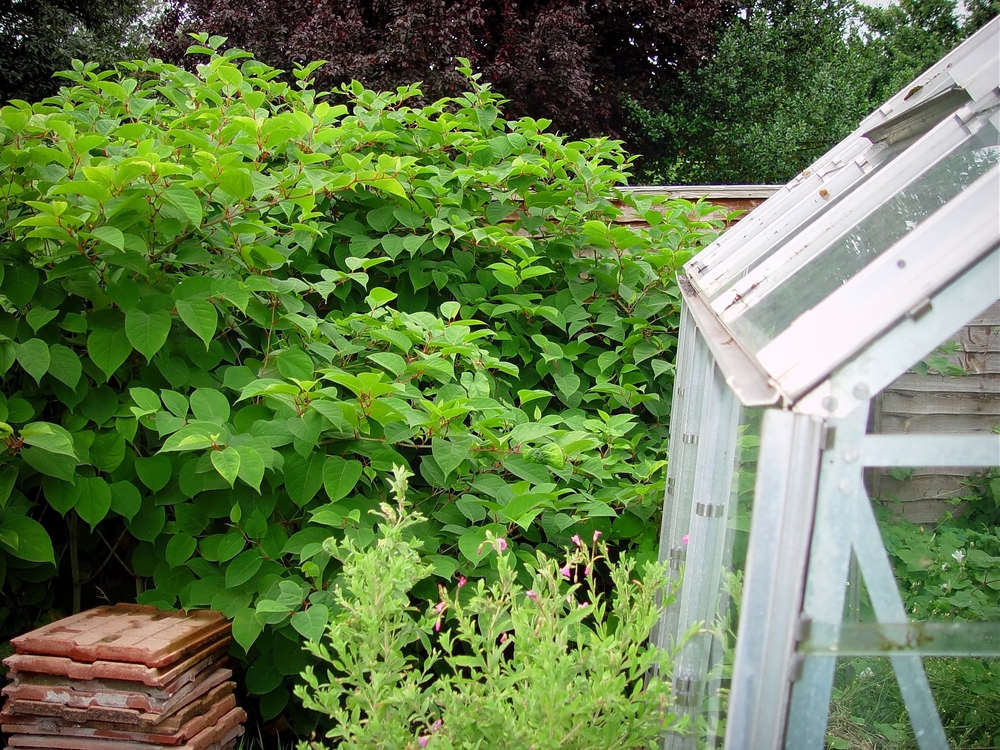
Southern and South West England have a long history of Japanese knotweed along rivers, railway lines and rural lanes. If you own a home, farm, holiday let or development site in Hampshire, Wiltshire, Somerset or Gloucestershire, this guide covers where knotweed tends to appear, what typically affects removal cost in these counties, and how to arrange a survey.
1. Local Hotspots by County
- Hampshire: the Test, Itchen and Avon valleys, Southampton and Portsmouth urban edges, and railway corridors through Basingstoke and Winchester.
- Wiltshire: Swindon, Salisbury and Chippenham fringes, the Kennet and Avon Canal and Bristol Avon tributaries.
- Somerset: Bath, Taunton, Bridgwater and the Levels, where watercourses move rhizome fragments downstream.
- Gloucestershire: the Severn and Wye corridors, the Forest of Dean, Cheltenham and Gloucester suburbs, and the Stroud valleys.
2. Typical Cost Ranges in These Counties
Costs here are often slightly lower than London for comparable work, but rural access, long-distance waste haulage and riverbank restrictions can offset that. Broad typical market ranges:
- Herbicide management plan for a domestic garden: commonly around £1,200–£3,500 over several seasons.
- Excavation and disposal: commonly £4,000–£12,000+, rising with volume and distance to a licensed landfill.
- Large rural or riverside stands: priced per site after survey, often with phased treatment.
- Survey and report: typically a few hundred pounds.
Figures quoted are indicative typical UK market ranges gathered from published industry guidance and contractor quotes, not a fixed price from us. Every site is different, so a survey is the only way to get an accurate figure.
3. Riverbanks and Watercourses
Much of the knotweed in these counties grows beside water. Using herbicide near water in England generally needs approved products and, in many cases, agreement from the Environment Agency. Never throw cut stems into a river: fragments can root downstream and spreading knotweed in the wild is an offence under the Wildlife and Countryside Act 1981.
4. Farms, Paddocks and Holiday Lets
Knotweed on agricultural land can affect land sales, environmental schemes and boundaries with neighbours. Holiday let and second-home owners should also check the impact on any planned sale, as buyers and lenders will ask the same questions as for any residential purchase. Read our buying guide and RICS categories explained.
5. Choosing a Local Contractor
- Look for Property Care Association (PCA) membership or qualified CSJK surveyors.
- Ask for a written knotweed management plan and an insurance-backed guarantee.
- Check that waste goes to a licensed site and that you receive waste transfer notes.
6. Getting Started
Send your postcode and photos through our form. We review them within an hour, confirm whether it is knotweed, and arrange a site survey with a written quote for your property in Hampshire, Wiltshire, Somerset or Gloucestershire.
Knotweed on Your Land in the South or South West?
Upload a few photos with your postcode for a free one-hour review and a survey booking if needed.
Free 1-Hour Photo Review
Enter your postcode, then add photos of the plant on the next step. A specialist replies within an hour.