
Who Is Responsible for Japanese Knotweed? Landlords, Tenants, Councils and Neighbouring Land
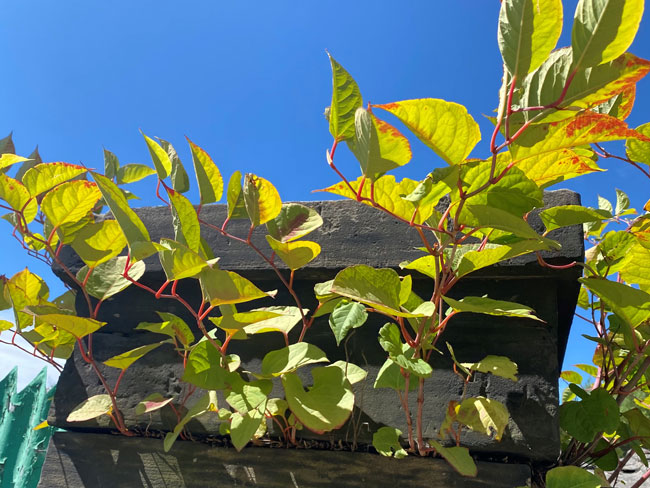
Japanese knotweed is not illegal to have on your land, but it is a legal problem when it spreads. If you rent, live next to council or housing association land, or back onto a railway line, the first question is simple: who is responsible for dealing with it? This guide sets out the usual position in England and Wales.
Landlords and Tenants
- Landlords are usually responsible as owners, particularly where knotweed threatens the structure or neighbouring land.
- Tenants should report knotweed promptly in writing and avoid cutting or digging it. Garden maintenance clauses rarely extend to invasive species treatment.
- Letting agents should pass reports to the landlord and arrange a survey.
Council and Housing Association Land
Councils and housing associations are responsible for knotweed on land they own or manage. Report it in writing with photos and dates. If knotweed is spreading into your garden, you may also have a nuisance claim — see neighbour has knotweed: what to do.
Network Rail and Highways
Railway embankments are a common source. Report it to Network Rail; the Court of Appeal found Network Rail liable in nuisance in the well-known Williams v Network Rail case. For road verges, report to the highway authority.
Knotweed coming from next door?
Send photos showing the boundary and your postcode. We review within an hour and connect you with a specialist who can survey and document the spread.
Get help with a boundary case →Community Protection Notices
Councils and police can issue a Community Protection Notice where knotweed has a detrimental, persistent effect on the community and the owner is unreasonable. Non-compliance can lead to fines.
How to Build Your Case
- Date-stamped photos of the source and spread.
- Written reports to the owner and their replies.
- A specialist survey with a distance-to-boundary assessment — see survey costs.
- Quotes for treatment and an insurance-backed guarantee.
Selling or Remortgaging?
Responsibility matters to lenders and buyers too. Read TA6 question 7.8 and our mortgage help service.
Frequently Asked Questions
Is the landlord or tenant responsible for Japanese knotweed?
Usually the landlord, as the owner. Tenancy agreements may ask tenants to report problems and maintain the garden, but treating knotweed is normally the owner's responsibility.
Is the council responsible for Japanese knotweed?
Only on land it owns or manages. Report knotweed on council land to the council. Councils can also issue Community Protection Notices for knotweed on private land in some cases.
What if knotweed is coming from railway land?
Report it to Network Rail. Courts have found Network Rail liable in private nuisance where knotweed affected neighbouring homes.
Can I claim compensation for knotweed from a neighbour?
You may have a private nuisance claim if knotweed encroaches from neighbouring land and causes loss, including treatment costs and in some cases loss of value. Take legal advice.